.png)
The post Senior Living Communities: Grandparents Day Joy appeared first on Senior Living Resources Serving Florissant, MO | St. Catherine Retirement Community.
]]>Senior living communities in Florissant go beyond providing care; they create genuine spaces where families come together, especially during meaningful celebrations like Grandparents Day.
This guide walks you through how these communities celebrate Grandparents Day, why family connection matters so deeply for senior wellbeing and what kinds of spaces and amenities make every visit something to look forward to.
How Do Senior Living Communities in Florissant Celebrate Grandparents Day?
They celebrate by creating meaningful opportunities for residents and families to spend quality time together, honoring the relationships that connect generations. Grandparents Day is more than a special occasion; it’s a reminder that staying connected with loved ones supports emotional well-being and strengthens family bonds. According to research, spending time across generations helps build stronger relationships while creating lasting memories for both grandparents and grandchildren. (Christopher Nguyen, 2025)
Make Every Visit Meaningful
Grandparents Day doesn't have to be filled with elaborate plans. Simple moments together often become the memories families treasure most.
Consider ideas like:
- Sharing a meal together in the community dining room
- Looking through family photo albums and telling favorite stories
- Taking a stroll around the beautifully maintained campus
- Playing a favorite card or board game
- Creating new family photos to remember the day
Celebrate the Stories That Bring Families Together
Many residents have spent years building families, careers and traditions that continue to inspire younger generations. Grandparents Day is the perfect opportunity for children and grandchildren to listen to those stories, ask questions and celebrate the experiences that have shaped their loved ones' lives.
Why Does Family Connection Matter So Much for Seniors?
Senior living communities in Florissant celebrate Grandparents Day by creating welcoming opportunities for residents and their families to spend meaningful time together, strengthening the connections that enrich everyday life.
Why do family traditions matter?
Grandparents Day is a wonderful reminder that some of life's most meaningful moments happen when generations come together. Whether you're sharing stories over lunch, looking through family photos or simply enjoying each other's company, these visits help loved ones stay connected and celebrate the experiences that make every family unique.
Families visiting St. Catherine Retirement Community can enjoy:
- Sharing meals together in a welcoming setting
- Spending time outdoors on the beautifully maintained campus
- Celebrating special occasions with loved ones
- Creating new traditions while honoring family memories
How can you make a Grandparents Day visit memorable?
A thoughtful visit doesn't have to be complicated. Bringing grandchildren together to listen to family stories, playing a favorite game, taking a walk around the community or looking through old photographs can turn an ordinary afternoon into a meaningful celebration.
At St. Catherine Retirement Community, every visit is another opportunity to strengthen family bonds and remind loved ones they remain an important part of the family story, not just on Grandparents Day, but throughout the year.
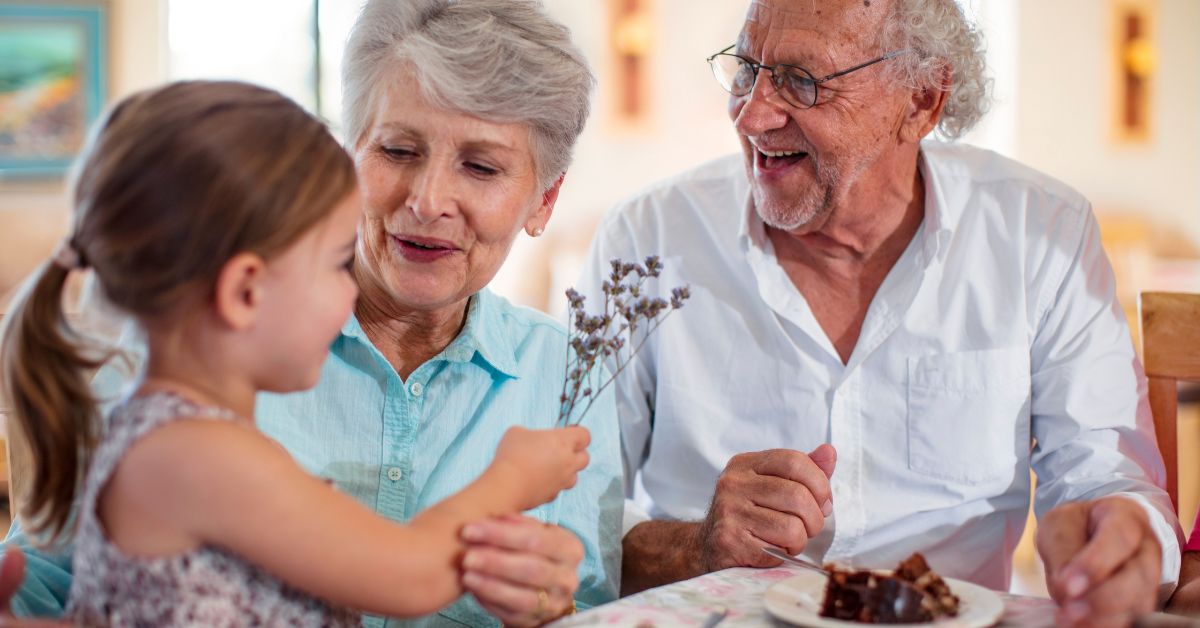
What Family-Friendly Spaces Do Florissant Senior Communities Offer?
Grandparents Day is a wonderful reminder that the best moments are often the simplest ones. At St. Catherine Retirement Community, families have welcoming spaces to gather, share conversations and enjoy quality time together. Whether you're visiting for an afternoon or celebrating a special occasion, every visit is an opportunity to strengthen connections across generations.
Make Every Visit Feel Special
A little planning can help everyone make the most of their time together. Consider activities that encourage conversation, laughter and shared experiences, such as:
- Taking a walk through the community's beautiful grounds.
- Looking through family photo albums and sharing favorite memories.
- Playing a favorite card or board game together.
- Enjoying a meal or dessert while catching up.
- Inviting grandchildren to ask about family traditions and stories.
Celebrate a Lifetime of Stories
Many residents have deep roots in the Florissant area and carry decades of memories that connect families to the community's history. Grandparents Day is the perfect opportunity to listen, know and preserve those stories for future generations. These conversations help create lasting bonds while honoring the experiences that make every family unique.
Celebrate Together at St. Catherine Retirement Community
Strong family connections transform senior wellbeing and senior living communities in Florissant provide the perfect environment for these meaningful relationships to flourish. When you choose a community that prioritizes intergenerational programming and family-friendly spaces, you're investing in your loved one's health, happiness and sense of purpose. Contact St. Catherine Retirement Community at (314) 838-3877 to schedule a tour and discover how thoughtfully designed amenities and celebrations can strengthen the bonds that matter most to your family.
FAQs
Q1. What types of activities do senior living communities organize for Grandparents Day?
Senior communities organize a variety of special events. Many communities may also host interactive activities like scrapbooking sessions, cooking competitions between grandparents and grandchildren, intergenerational game nights and show-and-tell sessions where residents share stories and pictures of their grandchildren.
Q2. How long should family visits to senior living communities typically last?
The ideal visit duration is between 60 and 90 minutes of focused, quality time. This timeframe allows for meaningful interaction without overwhelming your loved one. It's important to consider the resident's energy levels and schedule visits during their peak energy windows for the best experience.
Q3. What family-friendly amenities are available at senior living communities in Florissant?
Communities offer both indoor and outdoor spaces designed for family gatherings, including a recreation room, exercise classes, group outings, a BINGO club, arts-and-crafts activities. Some communities also provide private luxury villas where residents can entertain family in spacious, home-like settings.
The post Senior Living Communities: Grandparents Day Joy appeared first on Senior Living Resources Serving Florissant, MO | St. Catherine Retirement Community.
]]>The post How Senior Apartments Can Honor Local Veterans This Memorial Day appeared first on Senior Living Resources Serving Florissant, MO | St. Catherine Retirement Community.
]]>Independent living communities hold a special responsibility these days. Memorial Day offers something profound—a moment to pause, remember and express genuine gratitude.
Memorial Day becomes deeply personal when residents have their own military stories. This guide shares practical Memorial Day activities for seniors and heartfelt ways to honor those who sacrificed for our freedoms.

Building Community Through Shared Memorial Day Experiences
Nothing brings residents together quite like flag-raising ceremonies that honor the courage of those who served. The flag protocol matters deeply here—flying our nation's flag at half-staff from sunrise until noon honors those we've lost, then raising it to full-staff shows our continued commitment to the freedoms they died protecting. This simple act carries profound meaning: we mourn and then we choose to keep going.
Ways to celebrate
Sometimes the most meaningful moments happen when everyone settles in together for movie marathons featuring films that honor military service. These screenings offer both comfort and education, but the real magic happens afterward. During discussion sessions, residents share what resonated with them, bringing their own perspectives to stories of service and sacrifice.
Veterans who love sharing their stories can speak to other seniors and families, while younger service members often treasure the chance to spend time with seniors during Memorial Day events. These conversations between generations capture what Memorial Day truly means—passing on stories, understanding and gratitude from one generation to the next.
Building Personal Connections with Veterans
Veteran residents carry stories that deserve genuine curiosity and respect. Reminiscing about the past supports healthy aging and creates opportunities for bonding, sharing wisdom and meaningful introspection. Simple questions open doors to incredible conversations: How long did you serve? Which branch called to you? Did military service run in your family? What countries did you see and which places still hold special memories?
The art lies in listening with sensitivity. Some memories bring joy; others carry weight that only they understand. People should understand which topics to approach gently—avoid asking about combat experiences, post-service struggles or anything that might stir painful memories.

Learning Programs That Connect Hearts and History
Educational programs create deeper connections to Memorial Day's true meaning among all residents. Historians and veterans who speak about the holiday's origins help everyone understand why we pause to remember. Documentaries that respectfully honor soldiers' experiences offer both learning and engagement opportunities that residents genuinely appreciate. Virtual tours of the National Veterans Memorial and Museum bring powerful service stories directly to residents, with tours tailored to each community's interests.
Uniting generations
Hands-on activities provide healing benefits while creating meaningful tributes. Poppy-making workshops give residents the chance to craft the red flowers that represent remembrance. Programs that bring different generations together create something special for everyone involved.
Students hear history directly from those who lived it, while residents experience the joy and mental benefits of sharing their knowledge with younger people. Residents might guide students through projects, teach about their wartime experiences or simply spend time mentoring young learners. These relationships break down age barriers and give both groups meaningful connections that last well beyond Memorial Day.
Honoring Veterans
Senior apartments in Florissant, MO, can transform Memorial Day into something truly special for veteran residents. The activities outlined here range from simple gestures like thank-you cards to meaningful ceremonies that bring entire communities together. Your efforts will create lasting memories while giving these heroes the recognition they deserve. Ready to schedule a tour of St. Catherine Retirement Community? Contact us at (314) 838-3877 to schedule a tour and learn more about our activities.
FAQs
Q1. How should the American flag be displayed on Memorial Day? On Memorial Day, the flag is to be lowered to half-staff at sunrise and hoisted to full-staff at 12:00 PM to honor the fallen, then raised to full-staff for the remainder of the day. This tradition represents both mourning for lives lost and the dedication to continue the fight for freedom.
Q2. What are some sensitive topics to avoid when speaking with veteran residents? When conversing with veterans, it's important to let them lead the discussion and share what they feel comfortable with. Avoid asking questions about killing, difficult transitions after service or divisive political views, as some memories may carry pain.
Q3. How can intergenerational programs benefit both seniors and students on Memorial Day? Intergenerational programs create meaningful exchanges where students gain firsthand accounts of history while senior residents experience cognitive and social benefits from teaching younger generations. These connections reduce ageist stereotypes and provide veterans with opportunities to share their wartime experiences in educational settings.
The post How Senior Apartments Can Honor Local Veterans This Memorial Day appeared first on Senior Living Resources Serving Florissant, MO | St. Catherine Retirement Community.
]]>The post Senior Downsizing: Independent Living Communities Hacks appeared first on Senior Living Resources Serving Florissant, MO | St. Catherine Retirement Community.
]]>The real secret? This process isn't about getting rid of things—it's about making room for what brings meaning to your days. When you shift your thinking this way, downsizing becomes less about loss and more about preparing for the life you actually want to live.
Transitioning to independent living communities in Florissant, MO, is a gateway to a maintenance-free lifestyle. By using the 5-4-3-2-1 downsizing framework, seniors can move from "overwhelmed" to "organized." This guide helps you curate daily essentials and sentimental heirlooms, ensuring your new floor plan maximizes both comfort and freedom.

Complete Guide to Senior Downsizing: What Should You Keep and What Should You Sell When Moving to Independent Living Communities?
Moving to independent living communities in Florissant, MO, opens doors to a maintenance-free lifestyle. This transition calls for a thoughtful framework that helps you decide what deserves space in your new home. You're not stripping away your life's story—you're curating the pieces that still serve your daily happiness and comfort.
The 5-4-3-2-1 downsizing framework:
- 5 categories: Sort every item into keep, donate, sell, give to family or discard
- 4 questions: Do I use this? Does it fit my new space? Does it spark comfort? Have I used it in 12 months?
- 3 sorting sessions: Work in 2-hour blocks per day to protect yourself from decision fatigue
- 2 weeks minimum: Allow adequate time for choices you'll feel good about later
- 1 room at a time: Begin with the space that feels least overwhelming
Daily essentials that earn their place
The items you reach for regularly deserve priority in your keep pile. Think about your actual routines now, not the person you were a decade ago. Each belonging should answer honestly: Does this support how you really cook, dress and spend your time today? Your medications, two weeks' worth of comfortable clothing, essential toiletries and that reading chair where you enjoy your morning coffee—these serve your current life. When something hasn't touched your hands for a full year, it's probably ready to find a new home.
Treasured memories that matter
Family heirlooms, meaningful jewelry, photo albums and handmade quilts carry irreplaceable connections to the people and moments you cherish. You don't need every reminder to honor your history, though. Consider photographing special items you can't bring along, creating a beautiful digital collection that preserves the memories without claiming precious square footage. Gifting heirlooms to family members now lets you witness their joy and know these pieces continue their story. This approach turns the release into gift-giving rather than loss.

Room-by-Room Downsizing Checklist for Your Move to Senior Living
Going through a lifetime of belongings can feel overwhelming when you're preparing for this major life change. Taking it one room at a time makes the process manageable and helps you focus on what truly supports your daily comfort.
Bedroom: Your personal sanctuary
Sleep quality matters more than ever (Kohyama, 2021) and your bedroom setup plays a crucial role. Keep your bedroom temperature between 60 and 65 degrees Fahrenheit for optimal rest. Soft bedside lighting works better than complete darkness—you need to see clearly during those middle-of-the-night bathroom visits. A comfortable sleep mask gives you darkness when you want it while keeping pathways lit.
Kitchen: Right-sizing for your new routine
Most communities provide meals, which changes how you'll use your kitchen space. Four place settings handle your needs better than the twelve-person set you've kept for decades. A microwave, electric kettle, basic dishes and essential utensils cover light meal preparation perfectly. That bread maker is collecting dust in the corner. It can go unless you actually use it weekly. Heavy cast-iron pans create injury risks and eat up precious cabinet space—lighter cookware serves you better now.
Living Room: Comfort that fits
Choose furniture scaled to your new space rather than trying to squeeze in oversized pieces. That massive sectional might have hosted family gatherings beautifully, but a comfortable loveseat works better in your apartment. Clear surfaces of heavy decorations and collections that no longer bring you daily joy.
Most importantly, arrange your furniture to create wide, unobstructed pathways for walkers or wheelchairs—you want to move freely through your space.
Upsizing Your Freedom
Downsizing for independent living communities means upsizing your freedom. The framework you've seen here transforms an overwhelming process into manageable decisions, one room at a time. Above all, this transition isn't about loss but about creating space for what matters most in your daily life. Call (314) 838-3877 to tour St. Catherine's smart-space floor plans and discover how the right community makes your move seamless and stress-free.
FAQs
Q1. What are the biggest mistakes people make when downsizing for senior living? One of the most common mistakes is starting without a clear plan. It helps to define your goals first, so you know what you’re working toward. Many people also underestimate moving expenses or overlook hidden costs, which can create unnecessary stress. Another challenge is holding onto items that no longer fit your current lifestyle or paying for extra space you won’t actually use. It’s also important to measure your new floor plan before deciding which furniture to bring, since trying to move everything often leads to overcrowding and frustration.
Q2. At what age do most people usually downsize to a senior living community? Most people make the move between ages 65 and 75. This often lines up with retirement, when priorities shift and maintaining a larger home may feel less practical. For some, emerging health concerns or the physical demands of home upkeep also influence the decision. In many cases, it’s a mix of emotional readiness and practical considerations that determines the right timing.
Q3. How much time should I set aside for the downsizing process? It’s wise to give yourself at least two weeks, though more time is always better if you have it. Spacing the process out allows you to make thoughtful decisions instead of rushing and later regretting what you kept or gave away. Many experts suggest working in focused two-hour sorting sessions each day so you stay productive without feeling overwhelmed or burned out.
The post Senior Downsizing: Independent Living Communities Hacks appeared first on Senior Living Resources Serving Florissant, MO | St. Catherine Retirement Community.
]]>The post Your Move-In Journey: Feeling at Home in Our Senior Apartments appeared first on Senior Living Resources Serving Florissant, MO | St. Catherine Retirement Community.
]]>This guide walks alongside you through what those first weeks will actually look like at our independent living in Florissant, MO. We'll talk honestly about the emotional ups and downs of moving, share practical ways to make your new space feel like it belongs to you and explain the support systems we've built specifically to help during this significant life change.

What is the Typical Move-In Process For Senior Apartments?
The move-in process for senior apartments in Florissant, MO, typically involves a 6-8 week timeline that includes paperwork completion, emotional preparation and thoughtful downsizing before the physical relocation takes place.
How do we prepare emotionally and logistically?
Emotional preparation starts with accepting that moving can be difficult at any age—and it's especially challenging when leaving behind homes filled with decades of memories. Patience and understanding become your best allies during this time. Most importantly, keep your loved one involved in the decision-making process. This sense of control helps ease the transition tremendously.
Planning should begin at least 6-8 weeks before your move date. Start by measuring your new space to see what furniture will actually fit. Create a realistic timeline with small, manageable goals, so you won't feel overwhelmed. This paced approach lets you make thoughtful decisions over several weeks rather than rushing through choices you might later regret.
What should we pack and what should we leave behind?
When downsizing for your move to St. Catherine, focus on bringing items that make life comfortable and joyful. Essential items to pack include:
- Personal necessities: Medications, toiletries, eyeglasses, hearing aids and mobility devices
- Important documents: Legal papers, financial records and insurance information
- Comfort items: Favorite bedding, clothing and personal care products
- Meaningful décor: Family photos, cherished artwork and a few decorative pieces
Leave behind items that create hazards or simply won't fit in your new space. This means saying goodbye to throw rugs (trip hazards), glass-top tables, unstable furniture, duplicates of items and excessive collectibles.
How Do We Make the New Apartment Feel Like Home?
Your new senior apartment becomes truly yours when you fill it with pieces of your story. Personalization does more than just make a space look nice—it actually reduces levels of stress, anxiety and depression (Patil, 2026) while helping staff understand who you are as a person, which leads to more compassionate care.
What personal touches make the biggest difference?
Family photographs tell your story best. Those framed pictures of grandchildren, wedding days and family vacations don't just decorate walls—they wrap you in warmth the moment you walk through the door. A handmade quilt from your daughter or that ceramic vase you've treasured for decades becomes a conversation starter when neighbors visit.
Should we recreate their old space or start fresh?
Neither extreme works best. Instead, think of your move as curating the highlights of your life story. Start with a clean foundation—those neutral walls and simple details become your canvas. Then thoughtfully add personal treasures that spark joy without overwhelming the space.
How can we honor memories while embracing change?
Consider creating a dedicated space for your most precious memories. A memory corner with family photos creates emotional connections that extend beyond your apartment walls. These images become natural conversation starters, helping you share your life experiences with new friends.

Your Chance to Thrive
Moving to senior apartments in Florissant, MO, represents a significant life transition that combines emotional challenges with exciting new opportunities. The journey certainly involves paperwork and logistics, but more importantly, it requires emotional preparation and support. Above all, this move opens doors to a lifestyle where you can focus on what actually matters.
The initial challenges eventually give way to new friendships, engaging activities and a renewed sense of purpose. Your journey at St. Catherine begins with a transition but leads to a fulfilling chapter filled with comfort, community and care tailored specifically for you. Contact us at (314) 838-3877 to schedule a personal tour.
FAQs
Q1. How long does it usually take for a senior to feel comfortable in a retirement community?
For most seniors, it takes about three to six months to fully adjust. The first few weeks can feel overwhelming, but over time, routines settle in, new friendships form and the space starts to feel more like home. Adjustment is gradual—and that’s completely normal.
Q2. What should a senior bring when moving into a retirement community?
Start with the essentials: medications, toiletries, important documents and everyday clothing. Beyond that, bring the items that make the space feel personal—favorite bedding, family photos, meaningful décor or cherished keepsakes. Familiar items can make a huge difference in helping the new place feel comfortable and welcoming.
Q3. How can family members help during the transition to senior living?
Family support really matters during this time. Regular visits, helping decorate and personalize the new space and staying involved in communication with staff can ease the transition. Just as important is offering reassurance, listening to concerns and helping your loved one stay connected to the people and routines they value.
The post Your Move-In Journey: Feeling at Home in Our Senior Apartments appeared first on Senior Living Resources Serving Florissant, MO | St. Catherine Retirement Community.
]]>The post Mental Wellness Guide: Yoga at Independent Living Communities appeared first on Senior Living Resources Serving Florissant, MO | St. Catherine Retirement Community.
]]>The real magic happens when yoga meets community life in independent living settings around Florissant, MO. Small daily practices – whether yoga poses, mindful breathing or quiet reflection – can shift how your whole day feels. This blog talks about how yoga helps with anxiety, depression and sleep troubles, plus which styles feel right for your body.

How Do Wellness Programs in Independent Living Communities Actually Reduce the Risk of Senior Isolation and Cognitive Decline?
Wellness programs at independent living communities in Florissant, MO, create something remarkable—they build bridges between physical activity and meaningful relationships. These structured activities give seniors daily purpose and genuine social connection, both essential ingredients for staying mentally healthy as we age.
How yoga calms your mind and eases anxiety
Your body has an amazing ability to shift from stress mode to relaxation mode and yoga helps trigger this natural response. When you practice gentle poses and focus on your breathing, your cortisol levels—those stress hormones that keep you feeling on edge—begin to drop naturally. Your nervous system essentially gets the message that it's okay to relax.
Why yoga helps lift your spirits
Depression during our later years often comes from multiple directions—changes in brain chemistry, loss of routine and feeling disconnected from others. Yoga addresses each of these challenges through gentle movement that naturally boosts serotonin production, the brain chemical that helps regulate your mood. The mindfulness component also helps interrupt those negative thought loops that can spiral into deeper sadness.
The group setting at senior apartments in Florissant, MO, adds another layer of healing. When you practice alongside peers, you create natural accountability and develop a sense of belonging. These connections become powerful medicine against the isolation that often fuels depression in seniors.
The surprising link between yoga and restful sleep
Sleep troubles plague nearly half of all seniors (Crowley, 2011), but regular yoga practice offers hope for better nights. The gentle stretching releases muscle tension that might otherwise keep you tossing and turning, while the meditative elements help quiet the racing thoughts that can delay sleep.

Effective Yoga Styles for Independent Living Communities
Chair yoga: gentle and accessible
Chair yoga removes barriers that might otherwise keep you from enjoying yoga's benefits. You can practice modified poses while seated or using a chair for stability, which means you never need to worry about getting down to the floor. What's remarkable is how chair yoga delivers the same mental clarity, flexibility improvements and strength building you'd expect from traditional yoga—all while you remain comfortably supported.
Hatha yoga: slow-paced and calming
This gentle approach welcomes beginners with basic poses and mindful breathing techniques. Hatha yoga supports your physical function while improving balance and keeping joints healthy. The mental benefits deserve special attention—regular practice enhances awareness, attention, executive functions and memory better than similar non-yoga exercises.
Restorative yoga: deep relaxation for the mind
When you need profound stress relief, restorative yoga offers something special. This practice uses props like soft blankets and supportive bolsters to cradle you in comfortable positions that you hold for longer periods. Your nervous system responds beautifully to this gentle approach, which may help raise GABA levels—those helpful brain chemicals that naturally reduce anxiety.
Prioritizing Mental Health
Undoubtedly, the mental wellness benefits of yoga represent a powerful tool against common challenges of aging. Through consistent practice in supportive community environments, you gain access to stress management techniques that enhance your quality of life. These gentle movements combined with mindful breathing can transform your physical, emotional and social well-being during your retirement years. Ready to discover our wellness approach? Contact us at (314) 838-3877 to schedule a tour of St. Catherine.
FAQs
Q1. How does yoga actually benefit seniors in independent living communities?
Yoga can be a great way for seniors to support both body and mind. It helps reduce anxiety, improve sleep and even ease symptoms of depression. Plus, group classes create natural opportunities to connect with others, which can help boost overall well-being.
Q2. What types of yoga are best for seniors?
Gentler styles tend to work best. Chair yoga is ideal for those who want extra support or have mobility concerns. Hatha yoga offers a slow, beginner-friendly approach to traditional poses. Restorative yoga focuses on deep relaxation, making it especially helpful for stress relief.
Q3. Can yoga really help with anxiety?
Yes, it can. Yoga encourages deep breathing, relaxation and mindfulness—all of which help calm the nervous system. Restorative yoga, in particular, is often recommended for anxiety because it’s slow-paced and designed to help the body fully relax.
The post Mental Wellness Guide: Yoga at Independent Living Communities appeared first on Senior Living Resources Serving Florissant, MO | St. Catherine Retirement Community.
]]>The post Can Retirement Homes Lower Cortisol and Protect Your Heart? appeared first on Senior Living Resources Serving Florissant, MO | St. Catherine Retirement Community.
]]>Loneliness isn't just an emotional issue—it's a serious cardiovascular risk factor that triggers measurable biological changes in your body, making retirement communities a powerful health intervention rather than just a housing choice.
This article shows you exactly how retirement communities like St. Catherine work as a shield against chronic stress, helping lower blood pressure through genuine human connection and opening up biological pathways that can heal your heart.

Why Is Loneliness Considered A Cardiovascular Risk Factor In Retirement Homes?
Medical professionals now treat loneliness with the same seriousness they reserve for high cholesterol or diabetes. The evidence has become too overwhelming to ignore—social disconnection creates biological changes that directly damage your cardiovascular system.
The rise of chronic isolation in aging adults
We're witnessing something unprecedented. Nearly one-fourth of community-dwelling Americans aged 65 or older are socially isolated, while more than one-third of adults in their 40s or older report feeling lonely (JAHA, 2022). Despite our increasingly connected digital world, real-world connections continue to diminish.
Aging brings unique vulnerabilities—retirement ends daily workplace interactions, widowhood removes life partners and declining physical abilities limit social activities.
The link between social disconnection and heart disease
The cardiovascular damage is both measurable and frightening. Social isolation and loneliness increase the risk of heart failure, hospitalization or death. Heart disease risk jumps higher and stroke risk climbs.
These numbers hold up even when researchers account for smoking, exercise and diet. Social disconnection now rivals smoking up to 15 cigarettes daily and creates more health risks than obesity or physical inactivity. The biological destruction follows multiple pathways: cortisol stiffens your arteries, elevates your blood pressure and triggers widespread inflammation.
How loneliness literally breaks your heart
The phrase "broken heart" captures a biological reality. Persistent cortisol elevation attacks your cardiovascular system through multiple pathways:
- Weakening your immune system while impairing mental clarity
- Speeding up arterial plaque formation that can block blood flow
- Encouraging fat storage around vital organs
- Reducing protective HDL cholesterol levels
How Do Retirement Homes Act As A 'Buffer' Against The Chronic Stress That Leads To Cardiovascular Disease?
Retirement communities create something remarkable—a living environment that actually heals your cardiovascular system while you simply enjoy daily life.

The 'Community Buffer' effect explained
Think of retirement homes as protective shields for your stress response system. Researchers call this the "community buffer"—consistent social interaction that naturally calms your body's alarm signals. Social skills matter just as much as exercise and good nutrition for your health. This shield works by breaking the chain reaction between loneliness and heart damage.
Oxytocin release through shared meals and group activities
Something beautiful happens during dinner conversations and game nights. Your body starts producing oxytocin—the hormone that feels like a warm hug from the inside. This natural chemical directly fights against cortisol's harmful effects on your heart. Retirement homes design their spaces with this in mind, creating cozy dining areas and comfortable gathering spots where genuine friendships bloom over shared experiences.
Lowering senior blood pressure through social engagement
The health improvements show up in your medical tests. People who regularly participate in social activities—whether volunteering, joining sports groups or pursuing hobbies—show significantly lower rates of high blood pressure. Even participating just once a month in group activities is inversely associated with hypertension. Your blood pressure drops because social connection reduces stress through better self-esteem, confidence and the deep human need to belong.
Built-in wellness programs and lifestyle medicine
Modern retirement communities weave health support into every aspect of daily living. You'll find:
- Meditation and yoga classes that teach your nervous system to relax
- Group exercise that feels more like socializing than working out
- Daily routines that eliminate stressful decisions
- Healthcare professionals who catch problems early
Ready for a Healthy Heart?
Retirement communities do much more than provide a comfortable place to live—they create a medical intervention that works at the cellular level. Every shared conversation, group activity and communal meal triggers biological changes that protect your cardiovascular system from the damage loneliness creates.
Think about what this means for your future. Your cardiovascular health depends on more than the foods you eat or how often you exercise. The people around you, the conversations you have and the community you choose all become part of your health strategy.
Retirement homes in Florissant, MO that understand these principles offer something unique: a place where your social needs and your health needs align perfectly. Ready to see how community living might change your health story? Call St. Catherine at (314) 838-3877 and schedule a tour. Experience firsthand how the right social environment can become your most potent medicine.
FAQs
Q1. How does loneliness affect heart health in older adults?
Social isolation can elevate cortisol levels, a primary stress hormone that contributes to a higher likelihood of experiencing a stroke or heart disease. Over time, this leads to inflammation, elevated blood pressure and arterial stiffening, all of which strain the heart.
Q2. How can a retirement community support better heart health?
Retirement communities create a natural “community buffer” against stress. Daily social interaction, shared meals and group activities boost oxytocin—the body’s feel-good hormone—which helps lower stress and protects the cardiovascular system.
Q3. What makes a retirement community heart-smart?
A heart-smart community offers regular social engagement, organized physical activities, meaningful daily routines, on-site wellness support and access to outdoor spaces. Together, these features support both heart health and overall well-being.
The post Can Retirement Homes Lower Cortisol and Protect Your Heart? appeared first on Senior Living Resources Serving Florissant, MO | St. Catherine Retirement Community.
]]>The post Retirement Community: Coffee Dates to Card Games After 60 appeared first on Senior Living Resources Serving Florissant, MO | St. Catherine Retirement Community.
]]>Social activities are essential to retirement community living. Singles find both entertainment and meaningful connections here. Today's retirement communities provide a mixture of social opportunities that suit different interests and abilities.
Meaningful connections don't have an expiration date, but the way we navigate relationships changes as we age. Whether someone is moving forward after a loss or simply looking to expand their circle, building a social life after 60 requires a balance of courage and the right environment. In a senior living community, your social and romantic lives naturally overlap, creating a unique opportunity for organic, grounded connections. At St Catherine, we focus on providing the stability and structure that allow these human bonds to flourish.

How Do Seniors Find Companionship After Loss?
Losing a spouse brings grief that follows no set timeline. Some people start their dating experience within months, while others need years—or decide dating isn't right for them.
New relationships after bereavement can honor your deceased loved one's memory while you seek personal happiness. Support groups and therapy help guide this transition. Understanding yourself before dating helps ensure you're ready for new connections.
Many older adults don't want marriage. Emotional connections and shared experiences matter most to many seniors. Social bonds lead to better health outcomes and lower depression risk. In fact, the Harvard Study of Adult Development, which has tracked the lives of thousands of Americans for over 80 years, revealed that the quality of our close relationships is the single strongest predictor of our physical health and longevity—more influential than cholesterol levels, social class or even IQ (Mineo, L., 2017).
Senior dating tips for 2026
Senior dating continues to evolve. Experts suggest these tips for 2026:
- Be authentic – Polished, AI-written dating profiles are out; genuine self-expression is in
- Set clear boundaries – Know what you want from relationships and express those expectations early
Dating after 60 brings advantages: you know yourself better, have clear priorities and face less pressure than younger daters.
What Are The Top Social Activities For Singles In Retirement Communities?
1. Coffee meetups and morning chats
Seniors build new relationships naturally during morning coffee gatherings. Friendship Cafes welcome seniors aged 60+ with complimentary coffee and a chance to meet peers in a relaxed setting. These casual meetups become daily habits that help new friendships grow. Senior community groups host regular coffee fellowships that attract more older adults looking to connect.
2. Weekly card game nights
Card games combine mental challenges with social interaction, making them popular in retirement communities. Bridge remains a favorite because it requires strategy and partner play. Rummy helps improve pattern recognition in a more relaxed way. Mexican Train dominoes have become a hit since their tactile nature makes them available to seniors with limited dexterity. Special touches like themed decorations and refreshments boost these community game nights.
3. Group fitness and walking clubs
Walking clubs deliver physical benefits while creating social bonds. Retirement communities host walking groups with set routes and times that encourage conversation during exercise. Members stay consistent because they know others expect them to show up.
4. Book clubs and discussion circles
Book clubs blend intellectual growth with social connection. Members meet monthly to discuss chosen books and authors sometimes join live chats. Different genres keep discussions interesting as clubs rotate through various titles. Large-print editions and audiobooks ensure everyone participates, including seniors with vision challenges.

5. Art and craft workshops
Creative activities allow personal expression while building community bonds. Art therapy and craft sessions help seniors express themselves and maintain fine motor skills. Some museums offer specialized workshops for adults 55+. These sessions end with exhibitions where residents display their work, creating a sense of pride and achievement.
6. Community dinners and potlucks
Meals bring people together naturally. Seniors build stronger communities when they share meals and experiences. Residents share cultural traditions and family recipes at themed dinner events. These gatherings become social highlights where conversation and laughter flow as freely as the food.
7. Movie nights and themed events
Film screenings unite residents through shared entertainment. Discussion periods after screenings turn passive watching into active social time. Special events like classic film festivals or holiday movies add excitement to community schedules.
8. Volunteer and outreach programs
Community service creates purpose and connections. Volunteers report better health after just one year of service. Seniors can serve based on their schedules and interests. These programs strengthen communities and help seniors build social networks beyond their immediate surroundings.
Balancing Independence And Companionship
Life after 60 doesn't mean the end of meaningful connections. In stark comparison to this, retirement communities reshape the scene for seniors and are a great way to build relationships. Morning coffee chats, weekly card games and community dinners create an environment where connections naturally improve quality of life.
Starting new relationships after 60 is different from earlier in life but often brings unexpected joy. With less pressure and better self-awareness, seniors often build relationships based on real compatibility instead of outside expectations.
Want to grow your social circle and perhaps find a special connection? Our team at St. Catherine Retirement Community is ready to help at (314) 838-3877. Come see what makes our retirement community in Florissant, MO, perfect for your next chapter. Schedule a tour today!
FAQs
Q1. What social activities can I expect in a retirement community?
Most retirement communities offer something for everyone. You’ll often find coffee meetups, card nights, fitness classes, book clubs, art workshops, movie nights, community dinners and even volunteer opportunities. The goal is to make it easy to meet people and build real friendships around shared interests.
Q2. How do people find companionship after 60?
A lot of seniors find companionship simply by getting involved—joining hobby groups, attending community events or participating in outings. Some also use senior-focused dating platforms. Many people over 60 are looking for meaningful friendships or committed relationships without the pressure of marriage—just genuine connection and shared experiences.
Q3. How do retirement communities make it easier to stay socially engaged?
Retirement communities are designed to bring people together. They offer welcoming common areas, daily activities and staff-led events that encourage interaction. Lounges, activity rooms and outdoor spaces create natural opportunities to connect, while organized social calendars help residents stay active and involved.
The post Retirement Community: Coffee Dates to Card Games After 60 appeared first on Senior Living Resources Serving Florissant, MO | St. Catherine Retirement Community.
]]>The post Steps to Secure Senior Financial Stability in Retirement Homes appeared first on Senior Living Resources Serving Florissant, MO | St. Catherine Retirement Community.
]]>The key to financial stability in retirement homes lies in early preparation, understanding your options and creating a diversified funding strategy that matches your health outlook and risk tolerance.
This guide breaks down the essential costs—from entrance fees to all-inclusive monthly payments—and provides smart strategies to create a diversified funding plan that ensures long-term financial stability in retirement.

What Costs Should You Expect When Choosing Retirement Homes?
The numbers can feel overwhelming when you first start exploring retirement homes. But breaking down these costs into manageable pieces helps you see the complete picture.
Entrance fees: your investment in future security
Think of entrance fees as your ticket to predictable healthcare costs down the road. These upfront payments can range from $100,000 to $1 million, depending on the location you choose to live in and the level of care you wish to secure. The national average sits around $402,000, according to AARP research (AARP, 2022).
These fees actually work in your favor. Communities use them to maintain beautiful facilities while keeping your monthly costs steady, even when your health needs change.
Monthly fees: what your ongoing payments cover
Most retirement communities charge between $3,000 and $5,000 monthly. This might seem steep until you realize what's included in that single payment:
- Your housing costs
- All utilities, often including internet and cable
- Regular housekeeping services
- Maintenance and repairs
- Meal plans or dining credits
- Access to all community activities and amenities
- Transportation for appointments and errands
- 24-hour emergency response systems
Extra services: the optional costs that add up
Communities offer plenty of convenient services beyond your basic package:
- Hair salon and barber appointments
- Private dining for special occasions
- Pet care services and fees
- Upgraded internet or premium cable
- Room service
- Private transportation beyond scheduled trips
- Concierge services for special requests
Smart Strategies That Build Your Senior Living Budget
Planning for senior living can feel overwhelming when you're faced with six-figure price tags and complex contracts. Yet the most successful seniors share one common thread: they started their planning early and approached it with both heart and strategy.
- Planning with time gives you the option to make thoughtful decisions
- Build a budget that reflects reality
- Take advantage of long-term care insurance
- Use the tax code, which offers several benefits for seniors
- Your home represents your most significant asset; downsizing or selling can fund years of quality care
- Contact Professional Guidance

Your Path Forward
Building financial security for retirement home living requires patience, planning and understanding what lies ahead. We've walked through the essential elements together—entrance fees, monthly costs and those extra services that can add up quickly. Each piece matters when you're creating a stable foundation for this next chapter of your life.
Early planning makes everything easier. When you establish a realistic budget that includes healthcare costs, explore long-term care insurance and understand available tax benefits, you're setting yourself up for success. These aren't just financial tasks—they're investments in your peace of mind.
The process might feel overwhelming at first, but each step you take brings more clarity and confidence. Contact St. Catherine Retirement Community at (314) 838-3877 to schedule a tour and discuss personalized financial options designed for your specific needs and goals.
FAQs
Q1. What costs are typically involved in retirement home living?
Retirement home living usually includes an entrance fee, a monthly service fee, healthcare-related expenses and optional add-on services. Entrance fees can range widely—from around $100,000 to $1 million—while monthly fees often fall between $3,000 and $5,000. Ongoing or future healthcare costs, including long-term care, should also be factored into financial planning.
Q2. How can seniors plan effectively for retirement home expenses?
Effective planning begins early and involves creating a realistic budget that accounts for both living and care expenses. Many seniors also explore long-term care insurance, tax advantages and ways to use home equity through downsizing or selling a home. Working with a financial expert can help create a strategy tailored to individual needs and goals.
The post Steps to Secure Senior Financial Stability in Retirement Homes appeared first on Senior Living Resources Serving Florissant, MO | St. Catherine Retirement Community.
]]>The post New Year Skill-Building: A Retirement Community Strengthens Senior Independence appeared first on Senior Living Resources Serving Florissant, MO | St. Catherine Retirement Community.
]]>Independence doesn't diminish with age when supported by the right environment—it can actually flourish through lifelong learning opportunities that combine personal growth with community connection.
This guide will show you how the right retirement community fosters an environment that nurtures independence through lifelong learning. You'll learn about specific activities that best support independent living skills and discover how these programs adapt to fit your unique interests and abilities.

How Does a Retirement Community Create the Right Environment for Independence?
Building an environment that genuinely supports independence takes intention, not just good wishes. Retirement communities, such as St. Catherine in Florissant, MO, deliberately craft their environments to strengthen senior autonomy through careful attention to services and spaces.
Freedom from chores means more time for growth
Residents often feel like they've "hit the lottery" when it comes to escaping household responsibilities. Think about it: no more raking leaves, shoveling snow or cleaning gutters. You suddenly have time back—precious time that was once spent at hardware stores or scrubbing floors can now be devoted to activities that actually enrich your life and strengthen your independence.
Supportive staff and structured programs
Great senior living communities run on one thing: caring, committed staff. Residents trust team members not just to meet daily needs, but to greet them with genuine warmth that makes a place feel like home. St. Catherine's activity staff work like "cruise directors," planning and leading daily activities and special events that keep life engaging and exciting.
Comfortable spaces to try new things without fear
These communities design spaces with accessibility and comfort as priorities, giving you confidence to move around and participate fully in community life. Psychological safety might matter even more. The right community provides spaces where you can attempt new activities without fear of failure or judgment. Whether you're tackling technology skills or trying your hand at a new art form, having supportive staff and encouraging peers nearby creates exactly the right conditions for expanding your abilities.
What Long-Term Impact Does Skill-Building Have on Senior Autonomy?
Moving into a retirement community doesn't mark the end of your autonomy journey—it often becomes the beginning of real growth. Ongoing skill development creates profound, lasting benefits that extend far beyond the classroom (Narushima, 2018).
- Better decision-making and self-care
- Stronger mental and emotional health
- Greater engagement with community life
- Lifelong learning keeps the brain active
What Types of Activities Support Independent Living Skills?
Independent living communities understand that independence grows through practice. St. Catherine Retirement Community offers structured programs that help residents build confidence and strengthen autonomy through practical, enjoyable learning experiences that make a meaningful difference in their daily lives.
- Fitness classes for strength and balance
- Cooking workshops for healthy eating
- Tech classes for digital confidence
- Art and music for creative expression
- Group games and social clubs
- Financial literacy sessions

How St. Catherine Tailors Its Activity Calendar
St. Catherine retirement community creates daily programs that remain completely optional, allowing residents to choose what speaks to them. Activity calendars get regularly updated, showing what's planned each week. The community also hosts special seasonal programming that goes beyond everyday activities—exciting outings focused on adventure, learning, health and community.
Can residents request new classes or topics?
Absolutely. Communities like St. Catherine encourage residents to make suggestions for new activities. Regular feedback loops keep the calendar fresh and engaging. Some communities even run focus groups to explore specific interests and gather detailed input.
Ready for 2026?
Independence grows more precious with each passing year and skill-building becomes one of our most valuable tools for preserving that autonomy. Throughout our discussion, we've explored how retirement communities like St. Catherine create environments where seniors not only maintain their independence but also strengthen it.
The path toward greater autonomy starts with a simple shift in perspective. When you no longer spend weekends maintaining gutters or worrying about furnace filters, something remarkable happens. You discover time and mental space for pursuits that genuinely enrich your life. This freedom becomes one of the most unexpected gifts of community living.
St. Catherine's structured programs and caring staff offer something equally important: comfortable spaces for exploration and growth. Whether you're building physical strength through fitness classes or gaining confidence with new technology, each skill becomes another thread in the fabric of your continued independence. These aren't just activities—they're investments in your future autonomy.
Independence doesn't diminish when you have the proper support—it flourishes. Call St. Catherine at (314) 838-3877 today to schedule a tour and discover how our skill-building programs can help you maintain autonomy while enjoying the security and camaraderie of community living. Your next chapter of independence is waiting.
FAQs
Q1. What kinds of skill-building activities can seniors expect in retirement communities?
Retirement communities offer a wide range of skill-building options, such as fitness classes, cooking and nutrition workshops, technology lessons, art and music programs, group games and even basic financial education. These activities support physical health, mental sharpness and social connection while reinforcing everyday independent living skills.
Q2. Do seniors give up their independence when they move into a retirement community?
Not at all. Retirement communities are designed to make independence easier, not limit it. With household tasks handled and supportive staff available when needed, seniors have more time and energy to focus on personal interests, decision-making and daily routines on their own terms.
Q3. Why is ongoing skill-building important for seniors long-term?
Continued skill-building helps seniors stay confident, engaged and mentally active. Over time, it can enhance self-care, foster emotional well-being, support informed decision-making and build cognitive resilience—helping seniors remain independent and active for longer.
The post New Year Skill-Building: A Retirement Community Strengthens Senior Independence appeared first on Senior Living Resources Serving Florissant, MO | St. Catherine Retirement Community.
]]>The post Family, Friends and Fun: Christmas at Our Retirement Community appeared first on Senior Living Resources Serving Florissant, MO | St. Catherine Retirement Community.
]]>
Christmas brings special magic to retirement communities in Florissant, MO, turning everyday moments into meaningful celebrations. There is a strong connection between happiness, daily engagement and overall well-being. While activity participation may shift over time, the joy of Christmas remains as vibrant as ever.
Christmas at a retirement community transforms the holiday season into a stress-free celebration filled with meaningful connections, family involvement and joyful traditions that combat isolation while creating lasting memories.
At St. Catherine Retirement Community, the holiday season creates opportunities to build new traditions alongside treasured ones. Thoughtfully designed community spaces help residents feel more connected to neighbors, creating an environment where everyone can flourish. During Christmas, these shared areas become festive gathering spots where residents decorate, celebrate and make lasting memories together.
How to Celebrate Christmas at a Retirement Community?
Choosing retirement living doesn't mean giving up family celebrations. Rather, it opens doors to meaningful connections that reduce loneliness and isolation while supporting overall well-being. Cookie baking sessions, caroling evenings, family dinners and intergenerational events—our community offers countless ways to experience joy and connection throughout the holiday season.
Christmas cookie baking and recipe sharing
Fresh-baked cookie aromas fill our community kitchen as residents gather to prepare traditional holiday treats. Many find comfort in familiar customs like baking cookies and sharing cherished family recipes. These sessions become more than culinary activities—they create opportunities to exchange stories about holiday traditions across generations. Cooking together builds teamwork and appreciation for everyone's unique contributions.
Ornament crafting and DIY gift stations
Creative expression comes alive through holiday crafting sessions. Seniors can make ornaments, holiday cards and seasonal decorations that brighten the community spaces. These artistic activities support cognitive stimulation and fine motor skills through enjoyable social interaction. Our DIY gift stations supply everything needed for creating handmade presents, building anticipation and joy in giving. The sense of accomplishment from completing these projects enhances self-confidence and emotional well-being.
Holiday movie marathons with cocoa
Nothing captures the Christmas spirit quite like gathering for beloved holiday classics. Movie afternoons feature timeless films like "It's a Wonderful Life," "White Christmas," and "Miracle on 34th Street". These cozy gatherings include seasonal treats like hot chocolate with all the toppings. The shared experience of laughter and nostalgia creates bonds between residents who connect over favorite scenes and memories.
Intergenerational events with local schools
The holidays brighten when children visit our community. Local school choirs perform carols, creating magical moments that benefit both generations. These interactions lift spirits, reduce feelings of isolation and improve cognitive function for our residents (Martins et al., 2021). Children often bring handmade cards and gifts, creating heartwarming experiences that leave lasting impressions on everyone involved.
Secret Santa and gift exchanges
Our Secret Santa program sparks mystery and delight throughout December. This tradition ensures everyone receives something special while fostering new friendships. Some residents take creative approaches, delivering small gifts on multiple days before the big "reveal". These exchanges cultivate generosity and strengthen community bonds.
Christmas Eve storytelling and traditions
Christmas Eve brings residents together to share stories from holidays past. Many enjoy reading classic tales like "Mr. Willowby's Christmas Tree" or "The Gift of the Magi". This treasured tradition connects generations through timeless narratives that carry meaningful messages about giving, gratitude and family. Some residents find special joy in reading these stories to visiting grandchildren, creating new memories while honoring cherished traditions.

How Do We Include Family and Friends in the Celebration?
Family connections remain at the heart of holiday celebrations at our retirement community in Florissant, MO. Throughout December, St. Catherine offers multiple ways for meaningful connections that reduce loneliness and create treasured memories.
Christmas dinner with visiting family
Christmas dinner serves as a highlight for many residents, with families invited to join the festive meal. These gatherings provide opportunities to share stories and establish new traditions within our beautifully decorated dining spaces. For residents whose mobility makes travel difficult, these on-site celebrations offer comfort while preserving family togetherness.
Virtual calls and digital cards for distant relatives
Distance doesn't prevent family connections. We help arrange video calls and digital greeting cards that residents can personalize with photos, videos and heartfelt messages. These virtual connections especially benefit residents whose children live far away or whose grandchildren attend school in other cities.
Photo booths and memory-making stations
Holiday photo booths feature festive props like Santa hats and reindeer antlers that encourage playful, shareable moments. These stations become gathering spots where stories flow naturally between generations.
On-Site Support And Companionship
Christmas at St. Catherine Retirement Community transforms what could feel isolating into a season of genuine connection and celebration. Family connections remain central to our Christmas celebrations. Whether through festive dinners in decorated community spaces, welcoming open house events or video calls with distant relatives, St. Catherine ensures everyone stays connected to loved ones. Moving to retirement living doesn't mean leaving family traditions behind—it often means enhancing them.
The lights, music and shared laughter over warm cookies create more than holiday memories—they build a true sense of belonging. Christmas at our Florissant community captures what makes holidays meaningful: connection, tradition and the comfort of caring people around you.
Want to see how we celebrate the season? Call St. Catherine Retirement Community at (314) 838-3877 and schedule a tour to experience our vibrant holiday traditions firsthand.
FAQs
Q1. How does St. Catherine Retirement Community make Christmas feel special for seniors?
St. Catherine goes all out during the holidays. They bring everyone together for things like decorating the community, trimming the tree and enjoying caroling nights. Residents can also join in fun activities like baking cookies, making crafts or watching holiday movies—perfect for building connections and getting into the spirit.
Q2. What kinds of family-friendly holiday events does the community offer?
Families are a big part of the celebration at St. Catherine. They host festive Christmas dinners where loved ones can join, hold open house gatherings and even set up photo booths for capturing holiday memories. For family members who live far away, the community helps arrange virtual calls and digital card exchanges so everyone can stay connected.
Q3. How does the community support residents who might feel lonely during the holidays?
St. Catherine takes extra care to make sure no one feels alone this time of year. They offer on-site emotional support and create plenty of opportunities for connection through group activities like baking, crafting and caroling. The goal is to build a warm, supportive environment where every resident feels included and uplifted throughout the season.
The post Family, Friends and Fun: Christmas at Our Retirement Community appeared first on Senior Living Resources Serving Florissant, MO | St. Catherine Retirement Community.
]]>