.png)


Here's what might surprise you: anxiety actually ranks as the most common mental health condition among older adults. Yet it often flies under the radar because seniors frequently experience physical symptoms instead of the worry or fear we typically associate with anxiety. What's particularly troubling is that only about one-third of people over 65 with generalized anxiety disorder ever receive mental health care. Recognizing the line between normal aging concerns and clinical anxiety can make all the difference for your well-being.
What Anxiety Looks Like in Older Adults
Spotting anxiety in older adults isn't always straightforward—symptoms often show up differently than they do in younger people. For residents at senior independent living in Florissant, MO and their families, understanding these signs can be the first step toward getting the right support.
Common emotional symptoms
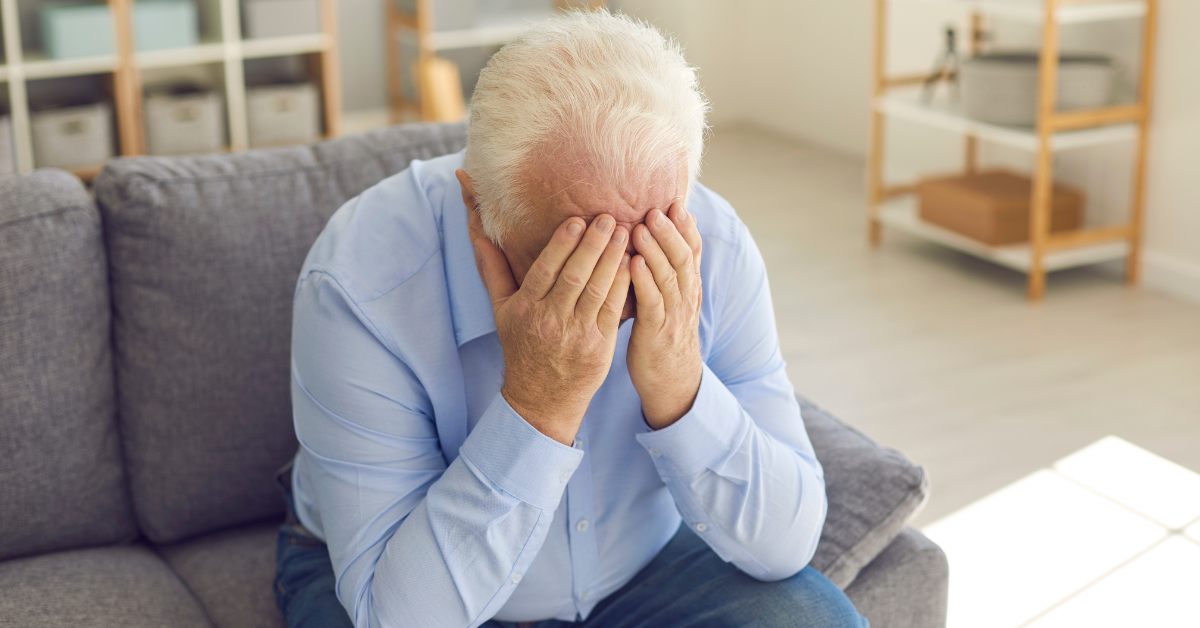
You might notice worry that feels impossible to control or seems way out of proportion to what's actually happening. Seniors with anxiety also frequently deal with irritability, restlessness and difficulty concentrating. What's particularly telling is when older adults start avoiding activities they used to love, especially social events. Fear and obsessive thoughts that don't make logical sense may also crop up, creating distress throughout the day.
Physical signs often mistaken for aging
These symptoms usually include:
-
Racing heart and shallow breathing
-
Trembling and excessive sweating
-
Muscle tension and unexplained soreness
-
Headaches and stomach problems
-
Dizziness or feeling lightheaded
How anxiety differs from depression
Anxiety centers around excessive worry and fear about what might happen, while depression usually involves feelings of worthlessness, guilt and a loss of interest in things that used to bring joy. There's definitely some overlap—both conditions can mess with sleep, cause irritability and make it hard to concentrate. Anxiety tends to create restlessness and being constantly on edge, while depression more often brings feelings of hopelessness and emotional numbness.
Why Anxiety Increases with Age
Loss of independence and mobility
Reduced exercise leads to muscle weakness and joint stiffness, which in turn increases fall risk. But this loss of independence doesn't just impact practical aspects of life—it strikes at your sense of self-worth. Research confirms that depression can increase the risk of functional dependence by 76%. This creates a troubling pattern where loss of independence and anxiety feed off each other.
Chronic health conditions
Ongoing health challenges naturally generate worry. Take diabetes, for instance—it requires constant management of diet, glucose levels and medications, creating considerable emotional strain. Those living with arthritis face persistent pain and physical limitations that can reduce participation in previously enjoyable activities. Other conditions with strong links to anxiety include:
-
Heart disease and stroke
-
Thyroid disorders
-
Dementia, especially in the early stages
-
Autoimmune diseases
Grief, isolation and life transitions
The painful loss of loved ones becomes more likely as you age. Seniors who are socially isolated are more vulnerable to depression and anxiety following a loss. This isolation often stems from retirement, decreased mobility or the death of a spouse or partner. Isolation affects more than just emotional well-being—it actually alters how your body functions.
Medication side effects
Your body processes medications differently as you age. With organs like the liver and kidneys working less efficiently, medicines can build up to higher levels or remain in your system longer. Seniors are twice as likely to experience medication side effects, which can be more severe. Certain medications—including some antidepressants, antihistamines and benzodiazepines—can directly cause or worsen anxiety symptoms.
How to Manage and Treat Anxiety in Later Life
Here's some encouraging news: effective treatments exist for anxiety in later life. Getting proper help can genuinely improve your quality of life and overall well-being.
Cognitive behavioral therapy (CBT)
This structured therapy helps you identify harmful thought patterns and replace them with healthier ones. During sessions, a trained therapist will teach you practical techniques to manage anxious feelings and gradually face feared situations. CBT has proven especially effective for generalized anxiety disorder, with clear evidence showing it can prevent relapse of mood disorders.
Lifestyle changes that help
Simple daily habits can effectively complement formal treatment:
-
Regular physical activity—even just walking—improves cerebral blood flow and reduces anxiety
-
Maintaining balanced nutrition and adequate sleep stabilizes mood
-
Meditation and deep breathing exercises calm the nervous system
When to talk to your doctor
Speak with your healthcare provider if anxiety symptoms persist for more than two weeks or interfere with day-to-day activities. Experts recommend that treatment continue for at least 12 months after symptoms improve. Remember, severe anxiety is not a normal part of aging and deserves attention.
Transforming Your Reality
Here's the encouraging truth: you have options. Don't accept persistent anxiety as something you just have to live with. While it's common, it doesn't have to be your reality. You deserve to enjoy these years without anxiety weighing you down.
Recognizing the signs early, understanding what might be causing them and getting the right help can transform how you feel day to day. This stage of life should bring you peace, meaningful connections and room to keep growing, not endless worry. For more information on how our community, St. Catherine Retirement Community, can support mental health, contact us at (314) 838-3877.
FAQs
Q1. How can I tell if a senior is experiencing anxiety?
Look for signs like excessive worrying, restlessness, irritability, symptoms such as muscle tension or stomach problems and avoidance of social situations. Anxiety in seniors often manifests as physical complaints rather than expressed worry.
Q2. What causes increased anxiety in older adults?
Several factors contribute, including loss of independence, chronic health conditions, grief, social isolation, major life transitions like retirement and even medication side effects. These changes can trigger anxiety symptoms in seniors.