.png)

Your heart feels every moment of loneliness and the impact goes far beyond sadness. When you spend day after day without meaningful connection, your body responds as if you're under constant threat. Retirement homes in Florissant, MO, understand this reality—they offer something much more valuable than comfortable housing.
Loneliness isn't just an emotional issue—it's a serious cardiovascular risk factor that triggers measurable biological changes in your body, making retirement communities a powerful health intervention rather than just a housing choice.
This article shows you exactly how retirement communities like St. Catherine work as a shield against chronic stress, helping lower blood pressure through genuine human connection and opening up biological pathways that can heal your heart.
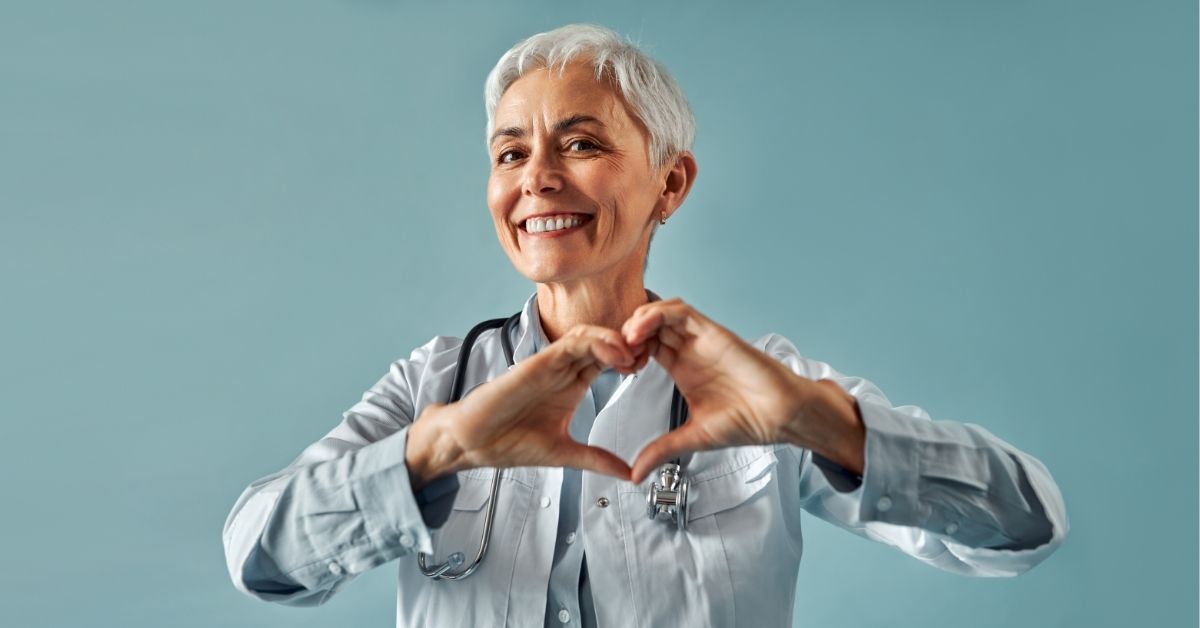
Why Is Loneliness Considered A Cardiovascular Risk Factor In Retirement Homes?
Medical professionals now treat loneliness with the same seriousness they reserve for high cholesterol or diabetes. The evidence has become too overwhelming to ignore—social disconnection creates biological changes that directly damage your cardiovascular system.
The rise of chronic isolation in aging adults
We're witnessing something unprecedented. Nearly one-fourth of community-dwelling Americans aged 65 or older are socially isolated, while more than one-third of adults in their 40s or older report feeling lonely (JAHA, 2022). Despite our increasingly connected digital world, real-world connections continue to diminish.
Aging brings unique vulnerabilities—retirement ends daily workplace interactions, widowhood removes life partners and declining physical abilities limit social activities.
The link between social disconnection and heart disease
The cardiovascular damage is both measurable and frightening. Social isolation and loneliness increase the risk of heart failure, hospitalization or death. Heart disease risk jumps higher and stroke risk climbs.
These numbers hold up even when researchers account for smoking, exercise and diet. Social disconnection now rivals smoking up to 15 cigarettes daily and creates more health risks than obesity or physical inactivity. The biological destruction follows multiple pathways: cortisol stiffens your arteries, elevates your blood pressure and triggers widespread inflammation.
How loneliness literally breaks your heart
The phrase "broken heart" captures a biological reality. Persistent cortisol elevation attacks your cardiovascular system through multiple pathways:
- Weakening your immune system while impairing mental clarity
- Speeding up arterial plaque formation that can block blood flow
- Encouraging fat storage around vital organs
- Reducing protective HDL cholesterol levels
How Do Retirement Homes Act As A 'Buffer' Against The Chronic Stress That Leads To Cardiovascular Disease?
Retirement communities create something remarkable—a living environment that actually heals your cardiovascular system while you simply enjoy daily life.

The 'Community Buffer' effect explained
Think of retirement homes as protective shields for your stress response system. Researchers call this the "community buffer"—consistent social interaction that naturally calms your body's alarm signals. Social skills matter just as much as exercise and good nutrition for your health. This shield works by breaking the chain reaction between loneliness and heart damage.
Oxytocin release through shared meals and group activities
Something beautiful happens during dinner conversations and game nights. Your body starts producing oxytocin—the hormone that feels like a warm hug from the inside. This natural chemical directly fights against cortisol's harmful effects on your heart. Retirement homes design their spaces with this in mind, creating cozy dining areas and comfortable gathering spots where genuine friendships bloom over shared experiences.
Lowering senior blood pressure through social engagement
The health improvements show up in your medical tests. People who regularly participate in social activities—whether volunteering, joining sports groups or pursuing hobbies—show significantly lower rates of high blood pressure. Even participating just once a month in group activities is inversely associated with hypertension. Your blood pressure drops because social connection reduces stress through better self-esteem, confidence and the deep human need to belong.
Built-in wellness programs and lifestyle medicine
Modern retirement communities weave health support into every aspect of daily living. You'll find:
- Meditation and yoga classes that teach your nervous system to relax
- Group exercise that feels more like socializing than working out
- Daily routines that eliminate stressful decisions
- Healthcare professionals who catch problems early
Ready for a Healthy Heart?
Retirement communities do much more than provide a comfortable place to live—they create a medical intervention that works at the cellular level. Every shared conversation, group activity and communal meal triggers biological changes that protect your cardiovascular system from the damage loneliness creates.
Think about what this means for your future. Your cardiovascular health depends on more than the foods you eat or how often you exercise. The people around you, the conversations you have and the community you choose all become part of your health strategy.
Retirement homes in Florissant, MO that understand these principles offer something unique: a place where your social needs and your health needs align perfectly. Ready to see how community living might change your health story? Call St. Catherine at (314) 838-3877 and schedule a tour. Experience firsthand how the right social environment can become your most potent medicine.
FAQs
Q1. How does loneliness affect heart health in older adults?
Social isolation can elevate cortisol levels, a primary stress hormone that contributes to a higher likelihood of experiencing a stroke or heart disease. Over time, this leads to inflammation, elevated blood pressure and arterial stiffening, all of which strain the heart.
Q2. How can a retirement community support better heart health?
Retirement communities create a natural “community buffer” against stress. Daily social interaction, shared meals and group activities boost oxytocin—the body’s feel-good hormone—which helps lower stress and protects the cardiovascular system.
Q3. What makes a retirement community heart-smart?
A heart-smart community offers regular social engagement, organized physical activities, meaningful daily routines, on-site wellness support and access to outdoor spaces. Together, these features support both heart health and overall well-being.